
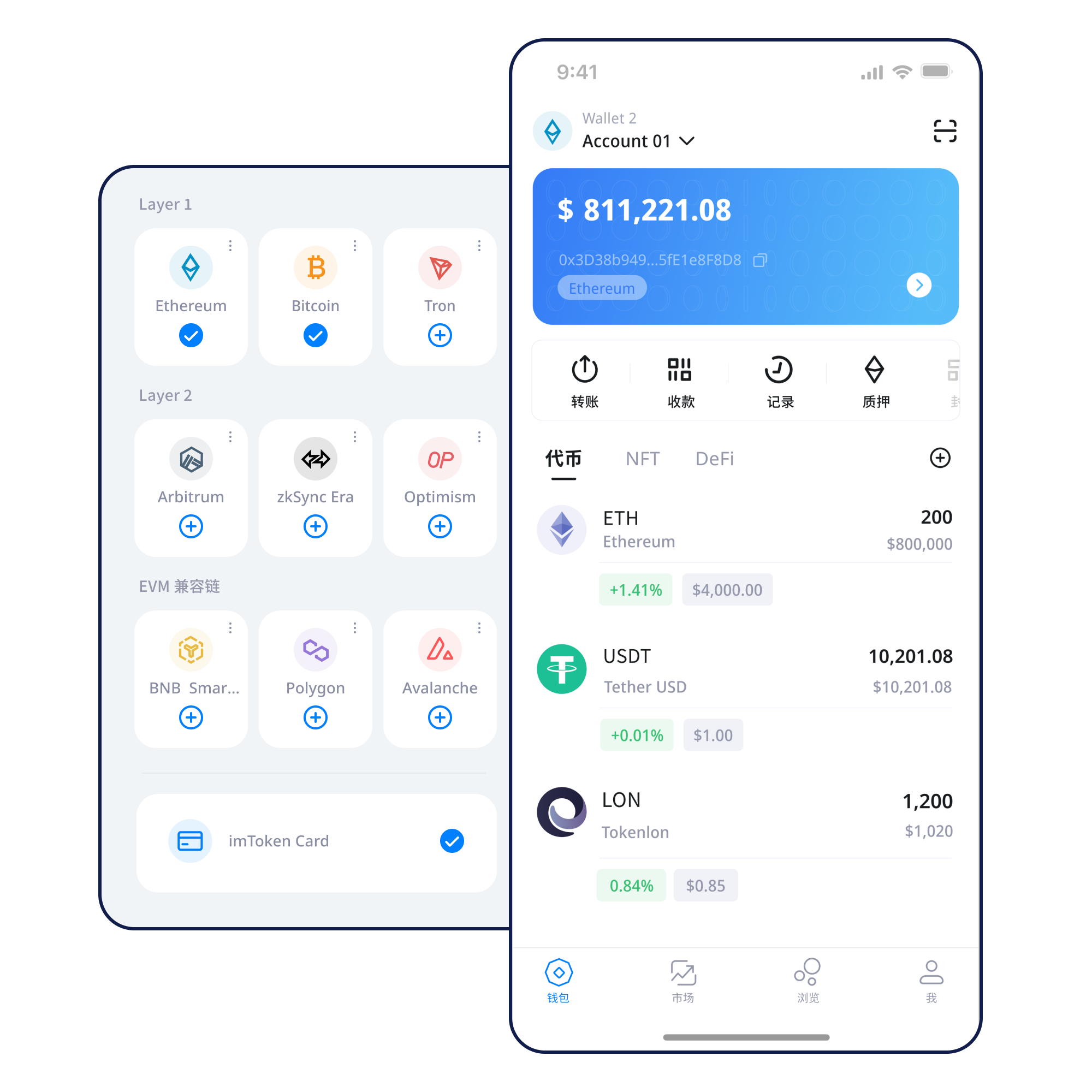
Understand imtoken App through mobile devices
A useful way to approach imtoken App is to begin with mobile devices. On-chain systems separate account state, transaction requests and network rules, so seeing a balance or address is only the first step. You also need to know which network it belongs to, how it is recorded and when it can be considered confirmed.
In a multi-chain environment, similar address formats do not imply the same network. Review the network name, asset type, contract details and intended action together rather than relying on a ticker or icon.
How network management and asset viewing affect real use
network management and asset viewing shape much of the practical experience. A wallet can present data, but the final on-chain state comes from the relevant network. Node synchronization, congestion and interface delays can create timing differences, so transaction hashes, block heights or explorer records are useful cross-checks.
When adding a token, switching networks or reviewing a contract, confirm parameters from a trusted source. Familiar names do not make a contract safe, and an unclear signing or approval request should be cancelled until the details are understood.
Put transaction history and DApp access in one decision framework
transaction history and DApp access often appear together in on-chain interactions. A transaction can involve network fees, contract execution, state changes and confirmation time, while an approval can remain active for later use. Separating these actions clarifies whether you are connecting, signing, approving or transferring.
Review DApp sessions and token permissions periodically and remove access that is no longer needed. A website, support agent or third party never needs your seed phrase or private key for normal wallet interaction.
Use local security habits to make learning verifiable
local security habits turns an abstract idea into something you can verify. Study a public, low-risk on-chain record and trace the address, transaction hash, block, fee and confirmation status, then return to the wallet interface to understand what each field represents.
Once you can connect mobile devices, network management, asset viewing, transaction history, DApp access and local security habits, it becomes easier to see a wallet as one interface to blockchain networks. Safer use comes from consistently checking network rules, request details and credential boundaries.
Connect mobile devices, network management, asset viewing, transaction history, DApp access and local security habits in one review
After learning the individual concepts in imtoken App, replay them as one end-to-end decision. Confirm the source and network first; review the account, address or contract context; then inspect fees, signatures or approval details; and finally use the on-chain record to verify what actually happened. This turns separate definitions into a practical review method rather than a vocabulary exercise.
If any step differs from what you expected, stop before confirming and verify again. A page being open, a wallet being connected, or a DApp having been used before does not make a new request automatically trustworthy. For important actions, build familiarity with lower-risk steps first and keep verifiable details such as the network name, public address and transaction hash. Sensitive recovery credentials should never appear in website forms, chat messages or remote-support sessions.